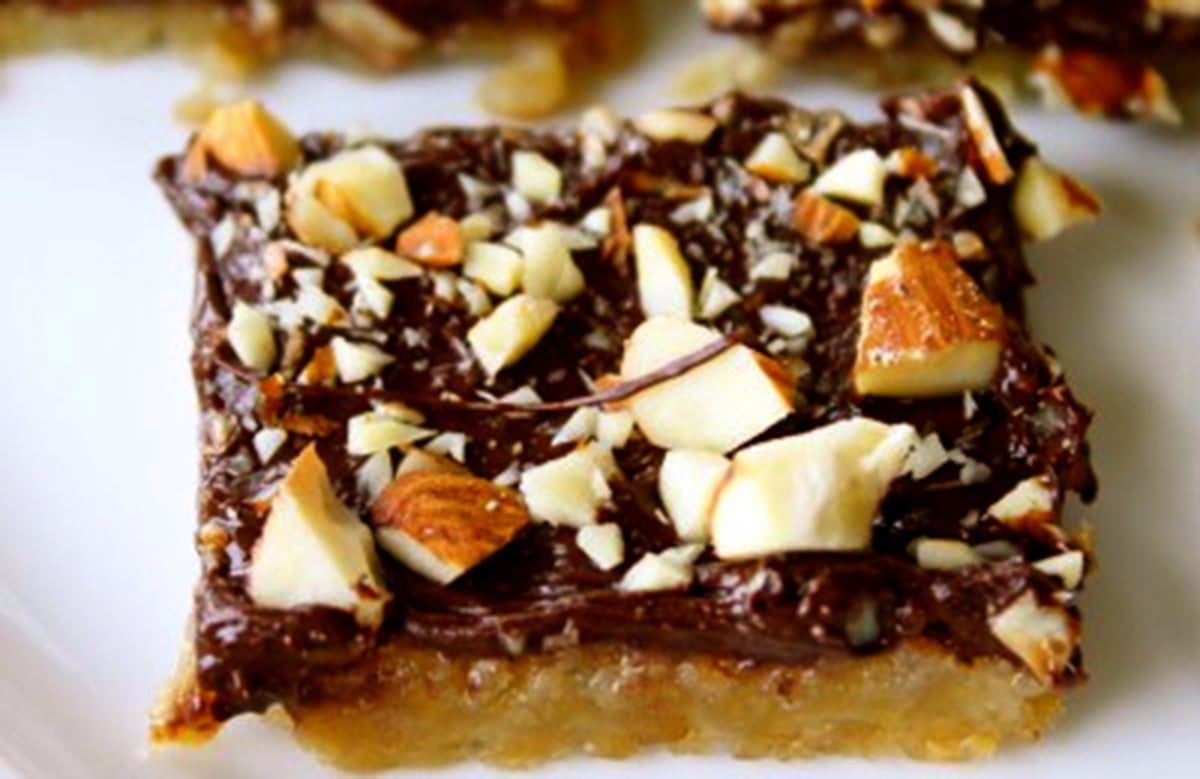
Almond Roca Cookie Hacks: Prevent Spreading & Boost Flavor for Bakery-Worthy Results
The allure of Almond Roca cookies is undeniable: that perfect symphony of buttery toffee, crunchy almonds, and a hint of rich chocolate. They evoke cherished memories of holiday baking and cozy kitchens. However, crafting these exquisite treats can sometimes come with a common challenge: cookies that spread too thin, losing their delightful chewiness and distinct shape. Fear not, fellow bakers! With a few clever hacks and a deeper understanding of the baking process, you can achieve Almond Roca cookies that not only hold their form beautifully but also deliver an explosion of intensified flavor. This article will guide you through preventing spread and maximizing the deliciousness of your homemade Almond Roca cookies.
Preventing the Dreaded Spread: Secrets to Perfectly Shaped Almond Roca Cookies
Cookie spread is a common frustration, turning plump, chewy cookies into thin, crispy disks. Understanding the science behind it allows us to implement effective countermeasures, ensuring your Almond Roca cookies maintain their ideal structure.
The Foundation: Ingredients and Their Role
- Butter Temperature is Key: The recipe calls for room temperature butter, and for good reason. It creams beautifully with sugar, creating air pockets that contribute to a lighter texture. However, "room temperature" doesn't mean soft or oily. If your butter is too warm, bordering on melted, it will cause your cookies to spread excessively in the oven. Aim for butter that's pliable but still cool to the touch – it should yield slightly when pressed but not squish easily.
- Accurate Flour Measurement: Flour provides the structure for your cookies. Too little flour, and your dough will be too wet, leading to significant spread. Always spoon your all-purpose flour into a measuring cup and then level it off with a straight edge. Never scoop directly from the bag, as this compacts the flour and results in using too much. Conversely, too much flour can lead to dry, crumbly cookies.
- Baking Soda's Balance: Baking soda is a leavening agent that reacts with acidic ingredients (like the molasses in dark brown sugar) to create carbon dioxide, which helps cookies rise. While crucial for texture, an imbalance can affect spread. Ensure you're using the precise amount specified.
The Art of Dough Preparation
- Chilling the Dough: The Ultimate Hack: This is arguably the most impactful step you can take to prevent spreading. Once your dough is mixed, wrap it tightly and refrigerate it for at least 30 minutes, or even an hour. Chilling solidifies the butter within the dough. When the cold dough enters a hot oven, the butter takes longer to melt, allowing the cookie to set and retain its shape before spreading too widely. For even better results, chill the formed dough balls after rolling them in nuts before baking.
- Do Not Over-mix: The recipe correctly emphasizes this. Once you add the flour mixture and toffee bits, mix only until they are just combined. Over-mixing develops gluten in the flour, which can lead to tougher cookies and, yes, contribute to increased spreading because the gluten strands create a more elastic dough that can stretch further.
- Uniform Ball Size: Rolling dough into consistent 1 to 1 1/2-inch balls ensures even baking. If some cookies are larger or smaller, they will bake at different rates, affecting texture and potentially leading to uneven spreading.
Baking Environment: Oven Temperature and Placement
- Lower Oven Temperature (300°F): The recommended 300°F is an excellent temperature for preventing spread. A lower temperature allows the cookie's edges to set and firm up gradually, preventing the center from collapsing and spreading too quickly before the structure is established. Many cookie recipes call for 350°F, but 300°F is a secret weapon for maintaining shape.
- Parchment Paper is Non-Negotiable: Always line your baking sheets with parchment paper. It promotes even baking, prevents sticking, and creates a consistent surface for your cookies, which helps them spread predictably (or, rather, not spread too much).
- Adequate Spacing: Place your dough balls several inches apart on the baking sheets. Even with all these preventative measures, cookies will still spread a little. Giving them ample space prevents them from merging into one giant cookie.
Elevating Flavor: Beyond Basic Almond Roca Cookies
While preventing spread is crucial for aesthetics and texture, maximizing flavor is what truly makes these cookies unforgettable. Several simple tweaks can transform good cookies into extraordinary ones.
The Power of Toasted Almonds
One of the most impactful flavor boosters for your Almond Roca cookies comes from the almonds themselves. The reference suggests toasting them, and we can't stress this enough. Raw almonds have a milder, sometimes slightly bitter taste. Toasting them brings out their deep, nutty, and slightly sweet notes through a process called the Maillard reaction.
- How to Toast Almonds: Spread your coarsely ground almonds (or whole almonds, which you'll then grind) in a single layer on a baking sheet. Bake at 350°F (175°C) for 5-7 minutes, or until they are lightly golden and incredibly fragrant. Keep a close eye on them, as nuts can burn quickly. Allow them to cool completely before incorporating them into your recipe or rolling your dough balls. This simple step adds an incredible depth of flavor that a raw almond simply cannot match. For more details on this and other secrets, check out our guide on Elevating Your Almond Roca Cookies.
Choosing Your Sugars and Fats
- Dark Brown Sugar for Richness: The recipe already calls for dark brown sugar, and this is a fantastic choice. The higher molasses content in dark brown sugar not only adds moisture, contributing to a chewier cookie, but also imparts a deeper, more complex caramel-like flavor compared to light brown sugar or granulated sugar alone. This richness perfectly complements the toffee and almonds.
- Quality Butter Matters: As a primary fat, the butter significantly contributes to the overall flavor. Opt for high-quality butter with good fat content. It will yield a more delicious and luxurious cookie.
Vanilla and Beyond: Flavor Boosters
- Pure Vanilla Extract: Always opt for pure vanilla extract over imitation vanilla. The depth and warmth of real vanilla are irreplaceable and enhance all the other flavors in the cookie.
- The Unsung Hero: Salt: A 1/4 teaspoon of salt might seem insignificant, but it's vital. Salt doesn't just make things salty; it enhances and balances other flavors, especially sweetness. It makes the toffee taste more toffee-like and the almonds nuttier, preventing the cookies from tasting one-dimensionally sweet.
- Spice It Up: For an extra layer of warmth and complexity, consider adding a pinch (1/4 to 1/2 teaspoon) of ground cinnamon or nutmeg to your flour mixture. These spices beautifully complement the brown sugar, toffee, and almonds, making the cookies feel even more comforting and festive.
The Toffee Factor
The quality of your toffee bits makes a difference. While standard toffee bits work well, for an even richer experience, you can crush up high-quality chocolate-covered toffee bars. This introduces another layer of chocolatey-toffee goodness directly into the cookie, rather than just as an optional drizzle.
Mastering the Perfect Finish: Drizzle, Storage, and Enjoyment
The final touches can elevate your Almond Roca cookies from delicious to absolutely stunning, ensuring they remain fresh for maximum enjoyment.
The Optional, Yet Irresistible, Chocolate Drizzle
While the recipe notes the chocolate drizzle is optional, it’s a signature element of Almond Roca that truly completes the experience. The combination of milk chocolate and vegetable oil creates a smooth, glossy finish that hardens beautifully.
- Melting Method: Use a double boiler or a heat-safe bowl set over a pan of simmering water (ensuring the bowl doesn't touch the water). This gentle heat prevents the chocolate from seizing or burning. Stir in the vegetable oil (or a touch of coconut oil for flavor) to create a smooth, pourable consistency.
- Drizzle or Dip: For a classic look, drizzle the melted chocolate over the cooled cookies using a spoon or a piping bag with a fine tip. For a bolder chocolate presence, dip one half of the cooled cookie into the melted chocolate, allowing the excess to drip off before placing it on parchment paper to set.
- Quick Set: Place the chocolate-drizzled or dipped cookies on a baking sheet and pop them into the freezer or refrigerator for 5-10 minutes. This will quickly firm up the chocolate, preventing smudges and making them easier to handle.
- Chocolate Variations: Don't limit yourself to milk chocolate! Dark chocolate offers a sophisticated, less sweet contrast, while white chocolate can add a creamy, aesthetic touch. Experiment to find your favorite.
Storage for Lasting Freshness
Once your Almond Roca cookies are baked and cooled, proper storage ensures they remain delicious for days.
- Room Temperature: Store cooled cookies in an airtight container at room temperature. They will maintain their freshness and flavor for up to 5 days.
- Freezing for Longer Storage: For extended enjoyment, these cookies freeze beautifully. Place fully cooled cookies (with or without the chocolate drizzle) in an airtight container, separating layers with parchment paper to prevent sticking. They can be frozen for up to 2 months. Thaw them at room temperature for several hours before serving. This is a fantastic way to prepare ahead for holidays or unexpected guests.
Creative Twists and Adaptations for Your Almond Roca Cookies
The beauty of a classic recipe lies in its adaptability. Once you've mastered the basics, feel free to experiment with these variations:
- Gluten-Free: Substitute the all-purpose flour with a high-quality gluten-free all-purpose flour blend. Be mindful that GF flours absorb moisture differently, so you might need to slightly adjust liquid or flour amounts for the ideal dough consistency.
- Nut Variations: While almonds are traditional, other nuts can create delicious alternatives. Try pecans, walnuts, or even hazelnuts, toasted for maximum flavor, to give your cookies a unique spin.
- Spice It Up: Beyond cinnamon and nutmeg, a tiny pinch of cardamom or a whisper of ginger can add an unexpected and delightful warmth to your cookies. These spices particularly shine with the brown sugar and toffee notes.
- Vegan Adaptation: Adapting this recipe to be fully vegan is challenging due to the eggs and butter. While vegan butter substitutes can work, they often have different moisture and fat compositions, which can affect texture and spread. Finding a suitable egg replacer that doesn't compromise the cookie's structure and chewiness would require experimentation.
Conclusion
Baking perfect Almond Roca cookies, those irresistible bites of toffee and almond bliss, is an achievable goal with a bit of knowledge and attention to detail. By implementing strategies to prevent spreading—like chilling your dough and mastering ingredient temperatures—and by amplifying flavor through toasted almonds, quality ingredients, and thoughtful spices, you'll create cookies that are not only visually appealing but also bursting with a depth of flavor that truly satisfies. So go ahead, preheat your oven, embrace these hacks, and prepare to delight in bakery-worthy Almond Roca cookies that will become a cherished part of your baking repertoire.
